


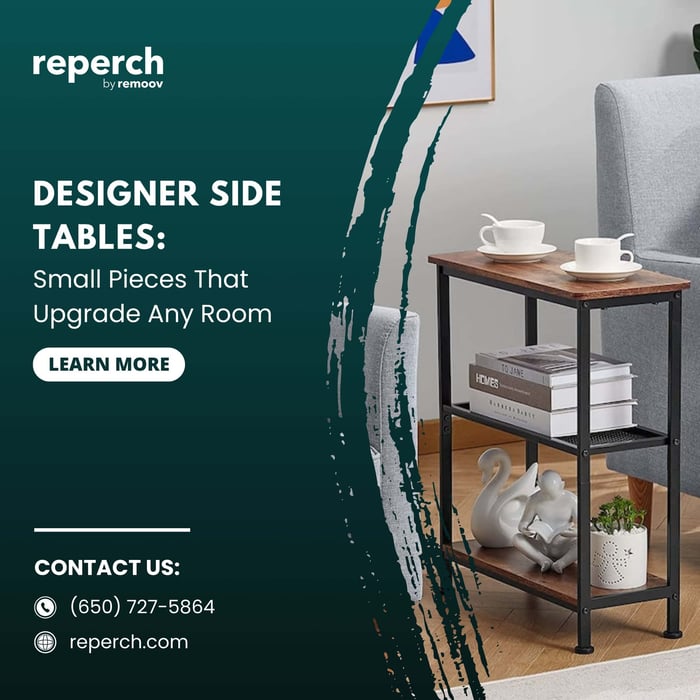
Side tables may be small, but they can have a surprisingly strong effect on how a room looks and functions. The right table can connect a sofa with a lamp, turn an unused corner into a reading area, provide storage beside a bed, or introduce a material that makes the entire space feel more polished. Designer side tables are especially useful because they often combine practical proportions with distinctive forms, premium materials, and thoughtful construction. Some are simple and understated, while others function almost like small sculptures.
Their compact size also makes them easier to experiment with than larger furniture. A bold marble table, curved metal design, or unusual vintage piece can add personality without requiring a complete room redesign.
Whether you are furnishing a living room, bedroom, hallway, or office, understanding size, material, placement, and quality will help you select a side table that genuinely improves the space.
Why Side Tables Matter More Than They Seem
A room can contain a sofa, rug, chairs, and lighting yet still feel incomplete. Side tables often provide the final layer that connects those larger pieces.
They improve convenience by keeping drinks, books, remotes, phones, and lamps within reach. At the same time, they help organize the visual layout by filling awkward gaps and creating clearer relationships between furniture.
A side table can also influence movement through a room. The wrong shape or size may block a walkway, while a compact round table can improve circulation around a sofa or chair.
Because these tables sit close to seating, they are noticed frequently. Material, finish, and construction therefore matter more than their small size might suggest.
What Makes a Side Table a Designer Piece?
The term “designer” does not necessarily mean heavily decorated or expensive. It usually refers to a table created with stronger attention to proportion, form, construction, or material choice.
Designer side tables may stand out because of:
A sculptural or unexpected base
An unusual shape
Premium stone, wood, glass, or metal
Innovative storage
Refined joinery
A recognizable design period
A well-known brand or designer
Careful balance between function and appearance
Some designs make a bold statement, while others are valued for how quietly they fit into a room. A simple table with excellent proportions can be just as effective as one with a dramatic silhouette.
Popular Designer Side Table Styles
Understanding common styles can help narrow your search.
Mid-Century Modern
Mid-century side tables often feature tapered legs, compact proportions, and warm wood tones. Walnut, teak, and oak are especially common.
These tables work well in living rooms, bedrooms, and offices because their clean shapes fit easily beside different types of furniture. Some include a single drawer or lower shelf without appearing bulky.
Look for smooth joinery, stable legs, and a finish that allows the wood grain to remain visible.
Contemporary
Contemporary side tables often use bold shapes, mixed materials, or sculptural bases.
Glass tops may sit on curved metal frames, while ceramic or stone surfaces may be paired with geometric supports. These pieces can introduce visual interest into otherwise simple rooms.
A contemporary table does not need to match the rest of the furniture exactly. It can work as a deliberate contrast, especially in a neutral interior.
Scandinavian
Scandinavian side tables usually emphasize simplicity, light-colored wood, and everyday usefulness.
They often have rounded edges, slim legs, and minimal storage. Their restrained appearance makes them suitable for small rooms or spaces that already contain several decorative elements.
Industrial
Industrial side tables combine materials such as metal, reclaimed wood, concrete, or dark finishes.
They can add structure to a room with soft upholstery or light colors. However, heavier industrial designs should be balanced carefully so they do not make a small room feel crowded.
Vintage and Antique
Vintage side tables can bring age, craftsmanship, and character into a modern space.
Older designs may include carved wood, brass details, marble tops, inlay, or distinctive patina. When browsing through a curated secondhand marketplace such as Reperch, review the dimensions, material details, photographs, condition notes, and delivery information before selecting vintage or designer side tables.
A small amount of wear may add charm, but the structure should remain secure.
Choosing the Right Material
Material affects appearance, maintenance, weight, and durability.
Wood
Wood side tables bring warmth and work across many design styles.
Oak, walnut, teak, cherry, and other hardwoods can remain attractive for decades. Wood also develops character as it ages, although water rings, scratches, and sun fading should be considered when buying secondhand.
Solid wood is desirable, but high-quality veneer can also offer excellent stability and appearance. Inspect edges and corners for lifting or separation.
Marble and Stone
Marble side tables add visual weight and luxury, even in small sizes.
The natural veining makes each table unique. Marble pairs well with metal, wood, leather, and upholstered furniture, making it versatile in both modern and traditional spaces.
Stone surfaces can chip, stain, or etch, so inspect edges and tops carefully. They are also heavy, which may affect placement and delivery.
Glass
Glass side tables create a lighter visual effect because they do not block sight lines.
They are useful in compact rooms where a solid table might feel too heavy. Glass also allows a sculptural base or rug pattern to remain visible.
Check for scratches, chips, cloudy areas, and loose mounting points. Tempered glass is generally preferable for safety.
Metal
Metal can make a side table feel modern, industrial, or decorative depending on the finish.
Brass and bronze can add warmth, while black steel creates a stronger architectural look. Chrome and polished metal may suit more contemporary interiors.
Inspect welded joints, surface corrosion, dents, and peeling finishes.
Acrylic
Acrylic side tables are lightweight and visually unobtrusive. Their transparent surfaces can make a room feel more open.
They work especially well in small apartments and modern interiors, although they may scratch more easily than glass.
Mixed Materials
Mixed-material designs can add depth and help connect different elements within a room.
A wood top with metal legs may relate to both a timber cabinet and a black floor lamp. A marble top with a brass base can introduce luxury without requiring a large piece of furniture.
The materials should feel intentionally combined rather than visually disconnected.
Getting the Size and Height Right
A side table should be convenient to use from the seat beside it.
For a sofa or armchair, the top should usually sit close to the height of the arm. A table that is several inches lower or slightly higher may still work, but a large difference can make it awkward to reach.
Beside a bed, the tabletop should generally align with the top of the mattress or sit slightly above it. This makes lamps, phones, glasses, and other items easier to access.
Also consider the table’s width and depth. A large square table may provide plenty of surface area but block movement in a narrow room. A round or oval design may offer better flow because it has no sharp corners.
Before purchasing, mark the table’s footprint on the floor using painter’s tape. This makes it easier to judge circulation and scale.
Best Side Tables for Small Rooms
Small rooms benefit from tables that perform more than one function.
Nesting Tables
Nesting tables provide multiple surfaces while using the floor space of one table when stored together.
They can be separated when guests arrive and returned to a compact arrangement afterward.
Tables With Storage
Drawers help conceal remotes, chargers, and other small items. Lower shelves can hold books, baskets, or decorative objects.
Storage is useful, but the table should not become so bulky that it makes the room feel smaller.
C-Shaped Tables
C-shaped tables slide partially beneath a sofa or chair. They are useful for laptops, snacks, and drinks, especially when there is limited space beside the seating.
Pedestal Tables
A narrow pedestal base can make a table easier to position in tight areas. It may also provide more legroom than a table with four wide-set legs.
Floating Side Tables
Wall-mounted tables save floor space and can be effective beside beds or in compact entryways. Installation should be secure enough to support the expected weight.
How to Style Designer Side Tables
The table itself may be distinctive, but styling helps it feel connected to the rest of the room.
A practical arrangement might include a lamp, a small stack of books, and one decorative object. Varying the height of these items creates visual interest.
Avoid covering the entire surface. Side tables should remain useful, especially beside frequently used seating.
Popular styling options include:
A table lamp
A vase or plant
A decorative bowl
A framed photograph
A small sculpture
A stack of books
A tray for everyday items
In a bedroom, keep the arrangement simpler so there is room for practical essentials.
Using Side Tables Beyond the Living Room
Designer side tables are highly flexible.
In an entryway, a compact table can hold keys, mail, or a small lamp. In an office, it can provide a surface beside a reading chair. In a bathroom or dressing area, a moisture-resistant table may hold towels or personal items.
A side table can also work as a plant stand, small display pedestal, temporary laptop surface, or alternative nightstand.
This flexibility can increase secondhand value because the table is not limited to one room or function.
How to Inspect a Secondhand Side Table
Before purchasing, examine both appearance and structure.
Check whether the table rocks when placed on a level surface. Inspect the legs, base, and attachment points for movement or previous repairs.
For wood tables, look for water damage, loose veneer, cracks, and deep scratches. For stone, check chips, stains, and repaired breaks. Glass should be inspected along every edge, while metal tables should be checked for corrosion and weak joints.
Open and close any drawers. They should move smoothly and sit evenly within the frame.
Also look underneath the table for manufacturer labels, designer marks, repair plates, or altered hardware. These details may help identify the maker and explain the table’s condition.
What Determines Secondhand Value?
A designer side table’s resale value may depend on:
Designer or manufacturer
Material quality
Age and design period
Rarity
Condition
Original finish
Current style demand
Provenance or documentation
Ease of placement
Recognizable designs and premium materials can support stronger resale prices, but condition remains essential. A lesser-known table in excellent condition may offer better practical value than a famous design requiring costly repairs.
Compact furniture can also attract a wide audience because it is easier to place, move, and ship than larger pieces.
Questions to Ask Before Buying
Before completing a purchase, confirm:
Exact height, width, and depth
Materials and construction
Whether the finish is original
Known repairs or refinishing
Drawer or shelf condition
Manufacturer or designer information
Weight and delivery requirements
Return terms
Whether the table is stable
Clear answers make it easier to compare options and avoid unexpected problems.
Final Thoughts
Designer side tables prove that a small piece of furniture can make a significant difference.
The right table can improve room flow, provide practical storage, introduce a premium material, and create a stronger visual connection between larger furniture pieces. It can also add personality without overwhelming the space.
Focus on proportion, height, material, construction, and everyday use rather than choosing based on appearance alone. When buying secondhand, inspect structural details and consider how easily the table can adapt to different rooms.
A thoughtfully selected side table may be small, but it can help the entire room feel more complete, functional, and intentionally designed.